

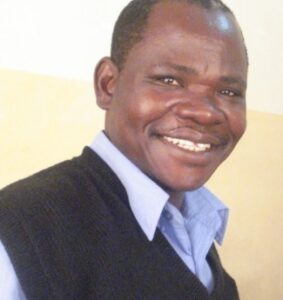
Dr. Joseph Musonda
Sociologist and Public Health Expert
University
Country
Zambia
Education
BA in Development Studies
MSc in Public Health -Health Promotion and Environmental Health
PhD in Sociology
PGD in Urban Social Development -Livelihood Social Security and Policy
Journal
International Journal of Research and Innovation in Social Science (IJRISS), International Journal of Research and Scientific Innovation (IJRSI), International Journal of Research and Innovation in Applied Science (IJRIAS), International Journal of Latest Technology in Engineering, Management & Applied Science (IJLTEMAS)
Biography
Dr. Joseph Musonda is a Zambian sociologist, public health specialist, development practitioner, academic leader, and programme management professional with extensive experience in Sociology, Public Health, Development Studies, Governance, Social Research, and Social and Behaviour Change. He holds a Ph.D. in Sociology from Zambian Open University, an MSc in Public Health from Leeds Metropolitan University, a Postgraduate Diploma in Urban Social Development from Erasmus University Rotterdam, a BA in Development Studies, and a Diploma in Education from the University of Zambia. He has also undertaken professional training in governance and civic empowerment, project planning and management, human resource management, psychosocial counselling, strategic and business planning, finance for non-finance managers, and land and urban development. His professional career includes senior academic and administrative roles as Deputy Vice Chancellor at Unicaf University Zambia, Regional Manager and Lecturer at Zambian Open University, Specialist in Training Quality Assurance at TEVETA, and Principal of Chipata Trades Training Institute. He has also held programme leadership roles in public health and development initiatives, including work with Health Communication Partnership Zambia and Breakthrough ACTION, where he has coordinated social and behaviour change interventions supported by USAID.Dr. Musonda’s professional and research interests encompass Sociology, Public Health, Development Studies, Social and Behaviour Change, Community Development, Governance, Health Promotion, HIV/AIDS, Gender and Development, Urban Social Development, and Social Research. His programme experience includes community engagement, participatory approaches, health promotion, HIV/AIDS prevention and response, family planning, malaria prevention, child health, nutrition, health-seeking behaviour, gender-sensitive programming, governance, transparency, and community participation. He has extensive expertise in strategic planning, project management, monitoring and evaluation, institutional development, training quality assurance, human resource management, capacity building, and adult learning. His leadership in higher education has also involved research coordination, ethical review and quality assurance of dissertations and theses, academic programme development, staff supervision, institutional partnerships, and knowledge and innovation promotion. His multidisciplinary experience makes him well suited for academic research and peer review in Sociology, Public Health, Development Studies, Community Development, Social and Behaviour Change, Health Promotion, Health Systems, Governance, Gender Studies, HIV/AIDS and Public Health, Social Research, Monitoring and Evaluation, Urban Social Development, and Development Management.
Research Interests
Sociology
Experience
18
Other Reviewer

India

Zambia

Malaysia

Nigeria
Zambia
No posts found
Submit Manuscript & Save on Publication Fees
Submit your manuscript now and enjoy discounts on APC! Publish with us for affordable, open access, and global reach