
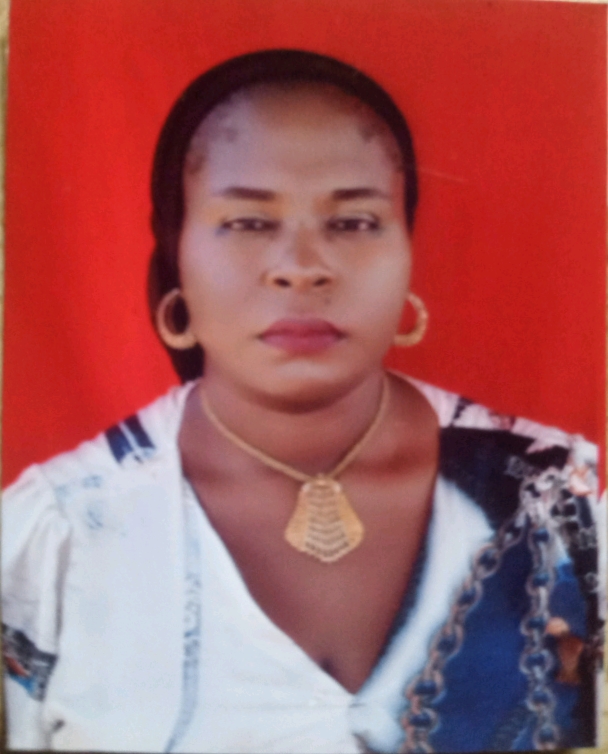
Dr. Ugonna Nwanneoma Ofoha
Lecturer/Researcher
Abia State University, Uturu. Nigeria
Country
Nigeria
Education
Doctor of Education (EdD) — In progress (University of Gloucestershire, UK)Ph.D (Ebonyi State University, Abakaliki)• Master of Arts (Applied Linguistics) — (Abia State University.Uturu. Nigeria)• Bachelor of Arts (Igbo Language) — (Abia State University Uturu)
Journal
International Journal of Research and Innovation in Social Science (IJRISS), International Journal of Research and Scientific Innovation (IJRSI), International Journal of Research and Innovation in Applied Science (IJRIAS), International Journal of Latest Technology in Engineering, Management & Applied Science (IJLTEMAS)
Biography
Ugonna Nwanneoma Ofoha is a Nigerian academic, linguist, and education researcher currently serving as a Lecturer II in the Department of Linguistics and Communication Studies at Abia State University, Nigeria. She holds a Ph.D. in Linguistics/Igbo from Ebonyi State University, an M.A. in Linguistics and Communication Studies/Igbo and a B.A. in Igbo Linguistics from Abia State University, as well as a Postgraduate Diploma in Education from the National Teachers Institute, Nigeria. She is currently pursuing a Doctorate in Education (EdD) at the University of Gloucestershire, United Kingdom, where her research examines the influence of home-language practices on early childhood education in rural and urban communities in Abia State, Nigeria. Her academic and professional experience includes university lecturing, secondary school language teaching, curriculum development, student research supervision, qualitative research, and educational resource development. Her core expertise encompasses Igbo Linguistics, Multilingual Education, Mother-Tongue Instruction, Language Pedagogy, Educational Technology, Digital Linguistics, Curriculum Development, and Inclusive Education. She is a member of the British Academy Early Career Researcher Network, the British Association for International and Comparative Education, the Linguistics Association of Nigeria, the Igbo Studies Association, and the Nigerian Language Project.Ofoha’s scholarly contributions focus on the relationships between language, culture, education, technology, and social inclusion. Her publications address Igbo terminological development in information and communication technology, mother-tongue education, Igbo oral literature, gender representation in Igbo culture, traditional social practices, gender-related cultural taboos, and political language in multilingual societies. She has also contributed to educational books supporting Igbo-language learning at junior and senior secondary school levels. Her broader research interests include curriculum decolonisation, epistemic justice, indigenous-language preservation, early childhood literacy, educational equity, rural–urban educational disparities, family language practices, and ICT integration in indigenous-language instruction. Through her teaching, research mentorship, curriculum contributions, and scholarly publications, she seeks to advance inclusive and culturally responsive educational practices, particularly in postcolonial and multilingual contexts. Her interdisciplinary background makes her well suited for academic research and peer review in Linguistics, Igbo Studies, Applied Linguistics, Multilingual Education, Language and Communication Studies, Mother-Tongue Education, Educational Technology, Curriculum Studies, Early Childhood Education, Literacy Studies, Gender and Culture, Indigenous Knowledge Systems, and Comparative Education.
Research Interests
Communication Studies, Education, Linguistics
Experience
8
Other Reviewer

Nigeria

Nigeria
India
Nigeria

No posts found
Submit Manuscript & Save on Publication Fees
Submit your manuscript now and enjoy discounts on APC! Publish with us for affordable, open access, and global reach