
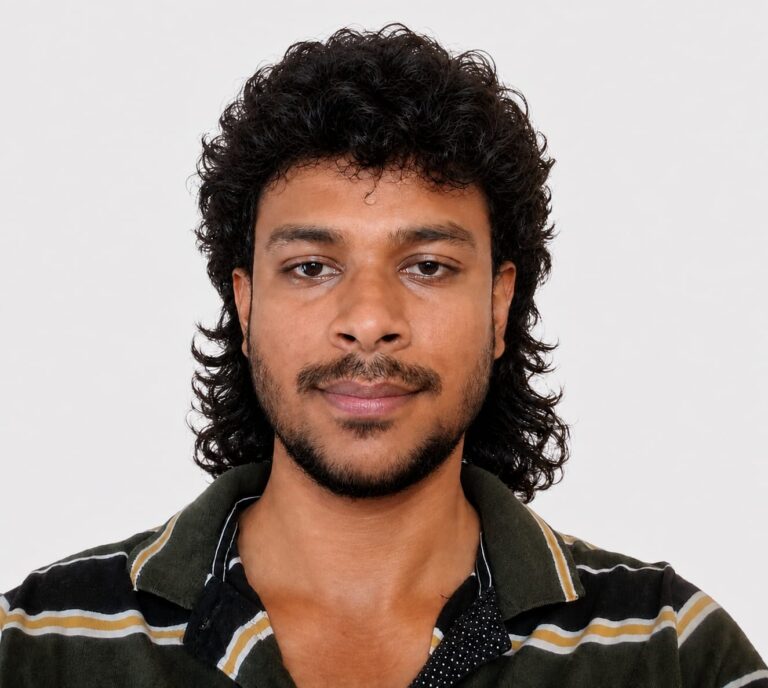
Dr. Ndifon Dimanche Kengah
PhD; Msc
The University of Ebolowa, Cameroon
Country
Kenya
Education
-PhD in Integrated Rural Development and Agricultural Extension. Option: Agricultural Extension, Innovation and Development at the University of Dschang in February 2022
-Master of Science in Integrated Rural Development and Agricultural Extension. Option: Integrated Rural Development at the University of Dschang in December 2016
-Post Graduate Diploma in Banking and Finance at the University of Dschang in September 2013
-Bachelor’s Degree in Banking and Finance at the University of Dschang in September 2011
Journal
International Journal of Research and Innovation in Social Science (IJRISS), International Journal of Research and Scientific Innovation (IJRSI), International Journal of Research and Innovation in Applied Science (IJRIAS), International Journal of Latest Technology in Engineering, Management & Applied Science (IJLTEMAS)
Biography
Dr. Ndifon Dimanche Kengah is a Cameroonian academic, researcher, and agricultural development specialist with expertise in Integrated Rural Development, Agricultural Extension, Agricultural Economics, Rural Sociology, Food Security, and Sustainable Agricultural Development. He holds a Ph.D. in Integrated Rural Development and Agricultural Extension, specializing in Agricultural Extension, Innovation and Development, from the University of Dschang, Cameroon, as well as an M.Sc. in Integrated Rural Development and Agricultural Extension, a Postgraduate Diploma in Banking and Finance, and a Bachelor’s degree in Banking and Finance. He currently serves as a Course Lecturer at the Pan African Institute for Development (PAID-WA), Yaoundé, where he teaches Agricultural Economics, Forage Crops, and Soil Microbiology and Biochemistry. He also has teaching experience in Economics and History and has undertaken extensive field research involving rural households, agricultural producers, questionnaire administration, data collection, and quantitative data analysis using SPSS, Microsoft Word, and Excel. His professional development includes training in forest governance, communication skills, rural development, and agricultural research.Dr. Kengah’s research focuses on Non-Timber Forest Products, Rural Livelihoods, Food Security, Agricultural Extension, Climate-Smart Agriculture, Rural Development, Agricultural Economics, Gender and Agriculture, and Natural Resource Management. His doctoral research examined the relationship between non-timber forest products, food security, and household wellbeing among rural households in the North West Region of Cameroon, while his master’s research investigated the socioeconomic contribution of non-timber forest products to rural households. His publications have addressed NTFP exploitation and household uses, rural socioeconomic wellbeing, gender gaps in food-crop production, and adaptation to climate-smart agricultural technologies. He has also participated in agricultural field research and development projects involving bean producers and rural communities. In addition to his academic activities, he has served in leadership and community-development roles, including Vice President of an NGO supporting vulnerable persons and student leadership positions. His interdisciplinary academic and field experience makes him well suited for research and peer review in Agricultural Extension, Agricultural Economics, Rural Development, Rural Sociology, Food Security, Sustainable Agriculture, Natural Resource Management, Forestry and NTFPs, Climate-Smart Agriculture, Gender and Agriculture, Community Development, and Agricultural Development.
Research Interests
Economics
Experience
5
Other Reviewer

India
Malaysia

Nigeria
India
No posts found
Submit Manuscript & Save on Publication Fees
Submit your manuscript now and enjoy discounts on APC! Publish with us for affordable, open access, and global reach